Last Updated: 21 November 2024

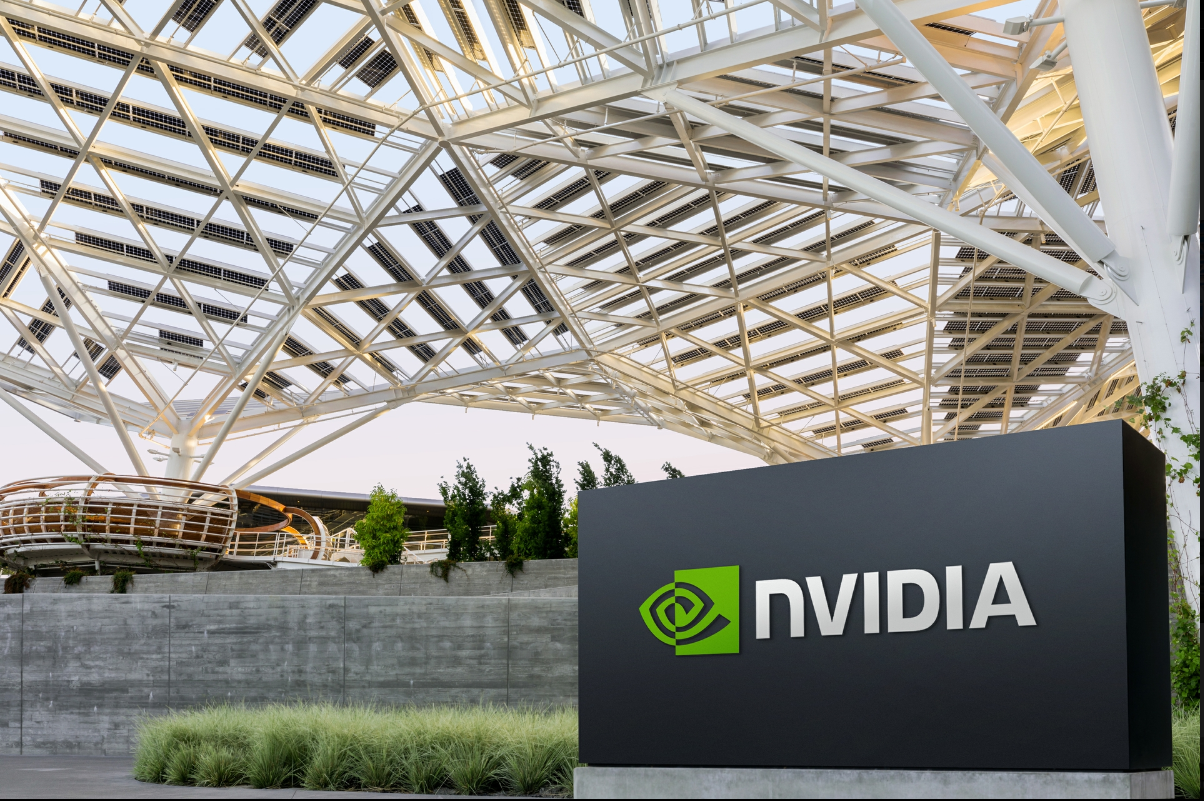
NVIDIA has announced record revenue for the third quarter of fiscal 2025, showing just how much of an impact the company is making in the artificial intelligence world.
NVIDIA brought in $35.1 billion in revenue for the quarter, which is up 17% from the previous quarter and an impressive 94% compared to the same time last year.
A big part of this revenue—$30.8 billion—came from their data center operations. This growth clearly reflects the rising demand for the powerful computing platforms that are making AI advancements possible.
CEO Jensen Huang emphasized NVIDIA's commitment to staying ahead in the AI revolution.
“The age of AI is in full steam, propelling a global shift to NVIDIA computing. Demand for Hopper and anticipation for Blackwell — in full production — are incredible as foundation model makers scale pretraining, post-training and inference. AI is transforming every industry, company and country. Enterprises are adopting agentic AI to revolutionize workflows. Industrial robotics investments are surging with breakthroughs in physical AI. And countries have awakened to the importance of developing their national AI and infrastructure,”
Jensen Huang, founder and CEO of NVIDIA.
Agentic AI it’s artificial intelligence that can make decisions and act on its own, without needing constant human input. These systems are designed to handle complex goals, breaking them down into smaller tasks, and adapting to changes along the way. By focusing on agentic AI, NVIDIA aims to lead the next wave of AI development, where machines can take on more advanced roles and help companies operate in constantly changing environments.
NVIDIA's goal is to empower AI agents and expand agentic AI technologies—systems that can think, adapt, and make decisions on their own with minimal human help.
NVIDIA plans to keep leading the industry by providing high-performance computing platforms like Hopper and Blackwell GPUs and developing AI software frameworks. These platforms help create complex AI agents and give businesses the tools they need to deploy autonomous AI systems. The Hopper H200-powered instances are already available on cloud services like AWS and Microsoft Azure, with more coming soon.
Put simply, these GPUs are built to handle the enormous data processing demands of today’s AI, allowing faster training times and more efficient model deployment. This kind of technology is key for businesses wanting to make AI a seamless part of their operations.
NVIDIA has also launched Denmark’s largest sovereign AI supercomputer and is working with companies like SoftBank to build AI infrastructure in Japan. These efforts are part of NVIDIA’s broader plan to expand AI capabilities around the world, helping countries and industries get the tools they need to keep up with rapid AI advancements.
The company’s Data Center segment saw a 112% increase from last year, reaching $30.8 billion. This growth was fueled by AI innovations in cloud computing, partnerships with major technology firms, and new platforms for telecommunications and supercomputers.
Other segments, like Gaming, Professional Visualization, and Automotive, also showed significant growth, demonstrating NVIDIA's reach across different industries.
Despite the positive earnings report, NVIDIA's stock dipped slightly by 2.5% in after-hours trading. Analysts believe this was likely due to profit-taking after a period of steady gains, rather than any concerns about the company's future. It’s pretty common for stocks to move around a bit after earnings announcements, especially when expectations are high.
According to their earning reports, NVIDIA expects revenue of $37.5 billion for Q4, with gross margins between 73% and 73.5%. The company’s confidence in continued growth is backed by strong demand for its AI technologies and ongoing investments in AI infrastructure.
NVIDIA will also keep paying quarterly cash dividends, offering $0.01 per share on December 27, 2024, to shareholders of record as of December 5, 2024. The company remains committed to being a key player in building AI infrastructure worldwide and driving innovation across industries.