Last Updated: 9 November 2026

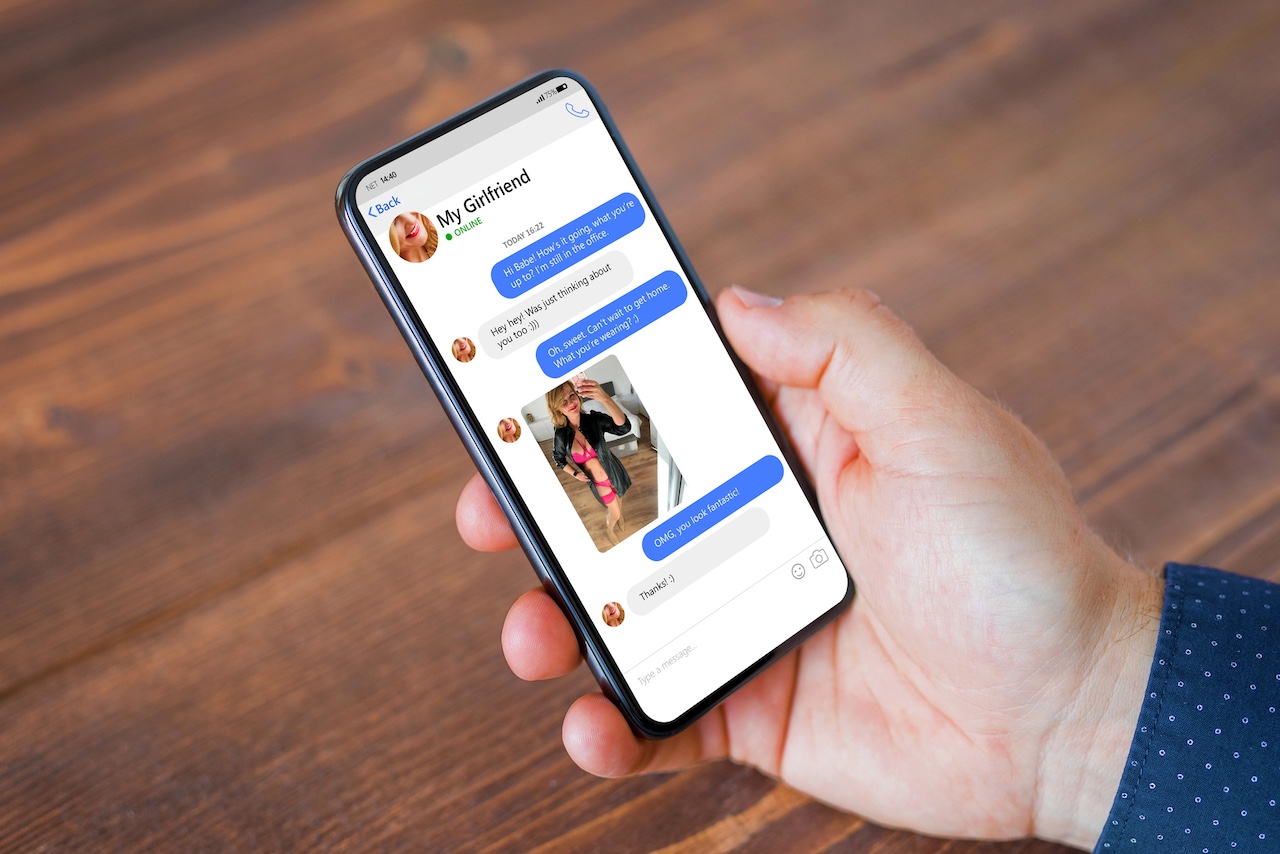
Erotic AI chatbots often get treated as a strange internet trend. That view ignores how many people already use them and how personal those experiences can become. Most people still focus on whether erotic AI chatbots should be accepted. Meanwhile, users are having intimate conversations with them every day and forming connections that cannot be explained by calling the technology good or bad.
People use AI companions in different ways. Some want a sexual conversation without the pressure of dealing with another person. Others are looking for attention or a place to share private feelings. When they return often, the chatbot can become part of their routine. The user may eventually see it as a partner instead of just a program on a screen.
15% of all adults have tried intimate AI chats. For young adults, it is about 1 in 4. App sales for erotic AI chatbots have climbed fast too, with platforms like SpicyChat and Secrets AI among the names pulling in that growth. These numbers show one simple thing: more people want AI companionship, and young adults are leading this shift more than any other age group right now.
Erotic AI chatbots are software used for romantic or sexual interaction. Dedicated companion apps are built around this experience and often allow users to choose a character's personality or appearance. General chatbots can serve the same purpose when someone steers the conversation toward intimacy, though they tend to hit limits once things get explicit. The main attraction of erotic AI chatbots is often control because the user can choose the pace and end the interaction whenever they want.
Truth is, sex and desire are hard topics to bring up, especially without a safe space, a partner, a friend, or family you can actually talk to. Erotic AI is trying to fill that gap. It positions itself as the "safer" alternative for people wanting to explore that side of themselves. A curious person, or someone with little sex education, can turn to an AI, ask their questions, and get quick, judgment-free answers, which is very important for someone uneasy about the topic. That said, no AI guarantees healthy or good advice. Still, curiosity alone doesn't explain everything. The real question is whether it helps someone, or whether it's slowly replacing something people should keep as part of real life.
Young adults may also turn to erotic AI when they have received little useful sex education and feel embarrassed asking basic questions. This does not mean every chatbot provides accurate or healthy guidance. It does show that curiosity is only one reason people use them. The more useful question is whether the experience supports the user or starts replacing parts of life they want to maintain.
Most conversations about erotic AI chatbots jump straight to the risks, which skips a real question. For a lot of users, these chatbots meet needs that go beyond sex entirely, from confidence to plain access. The benefits below explain why so many people keep coming back.
Sexual honesty can carry a social cost. A partner may feel threatened by a fantasy, while a friend may respond in a way that changes the relationship. AI can feel like it listens better and understands more than the people in a user's life do. Since the chatbot has no personal stake in the answer, users may feel freer to say what they actually think.
These chatbots are also built to agree with the user, which can make the experience easier for someone who feels ashamed easily or isn't sure how to bring up certain topics. That same trait shows up again later as one of the real risks of this technology.
Erotic AI may provide access where ordinary dating does not. People with disabilities can face physical barriers, and chronic illness may make regular social plans unrealistic. Anxiety can add another layer of difficulty. For LGBTQ users in unsafe settings, privacy may be the main concern.
A digital companion allows contact without requiring these issues to disappear first.
A lot of people just start out curious, without ever having sat down and thought about what they actually like. Talking to a chatbot kind of gives them that space, room to notice what feels welcome and what feels like too much too fast.
Maybe they figure out how they want affection to show up, or how slow things need to go for them. That clarity ends up helping way more when they're finally talking to a real partner instead of just hoping they'll get it.
Having something always available lowers the effort it takes to even start talking about intimacy. There's no meeting to set up, no time spent figuring out how to bring it up. Someone can just open the app and start typing whatever's actually on their mind.
For someone who tends to lose their nerve while waiting, that easy access can make the difference between speaking up and just holding it all in.
Erotic AI can lower the stakes for someone who sees every intimate conversation as a possible failure. The chatbot does not require charm or quick answers, so the user can think before responding. They can also stop without having to explain themselves. This slower setting may help them become less afraid of making mistakes when they later speak with a real person.
With a lot of these virtual boyfriend and girlfriend chatbots, the user has real input into who the character is and how the relationship grows over time. They can choose visual details and set the tone they want the conversation to have.
As preferences change, the character can shift right along with them. Being able to adjust those details, rather than working with someone already fully formed, tends to make exploring things easier, and it helps users notice what actually matters to them in an intimate connection.
Erotic AI chatbots don't come with the same guardrails as human relationships, and that absence is exactly where things get complicated. What feels like a safe, low-stakes space can quietly change how someone expects intimacy to work, or become a pattern that's harder to walk back than it looked going in. The risks below aren't reasons to dismiss the technology, they're the parts worth understanding before relying on it too heavily.
This is the concern clinical professionals keep coming back to, largely because it's so hard to spot while it's happening. Pornography already spent decades misleading people about bodies and how sex actually works. Erotic AI goes a step further, responding directly to the person using it and never disappointing them.
Over time, real relationships, with all their friction and effort, can start feeling like they fall short.
A review from 2025, covering 23 studies, found that heavy involvement in romantic AI relationships links to higher depression and anxiety, especially when digital connection starts replacing human connection. The problem isn't erotic AI existing on its own. It's that for some people, it becomes an easier path compared to trying with real people, which over time makes returning to real intimacy genuinely harder.
Right now, there's no real distinction between how a twelve-year-old and an adult can access erotic AI chatbots. Age verification on these platforms is still weak, and even systems built specifically to catch minors have been shown to misidentify them as adults often enough to matter.
Social media took years of documented harm before real regulation caught up with it. Erotic AI is considerably more personalized than a social feed, and regulation for it is still barely beginning.
Sometimes erotic AI doesn't help someone work through shame, it just makes it easier to stay there. Since the AI never pushes back or asks anything uncomfortable, that becomes both the appeal and the problem. Someone using it to dodge real intimacy can spend a long stretch of time in that pattern without ever realizing it's quietly making things worse instead of better.
This keeps coming up in therapy sessions, and experts have been flagging it for a while now. A real partner creates natural resistance, hesitation, awkward pauses, moments that slow everything down. AI has none of that friction, and as uncomfortable as that friction can be, it's also part of what makes it human. So people move into more intense or unfamiliar sexual territory way faster than they'd expect.
Once sex becomes tangled up with how someone manages their emotions, and there's no limit in sight, it can turn compulsive fast.
There's no single rule that works for everyone, and anyone who says there is one is probably oversimplifying something pretty complicated. What is important isn't really the behavior on its own, it's what that behavior is doing to a person's life as time goes on. That shift in framing changes the whole conversation.
A few honest questions are worth thinking through, slowly and without rushing to get to a comfortable answer. These aren't meant to hand out a verdict. They're more like checkpoints, things worth revisiting every so often as life changes around them.
The problem isn't the habit itself, it's which direction someone's actually heading in. Someone still reaching toward people, even messily, is doing something very different than someone who's quietly given up.
Really, this isn't a story about technology at its core. It's a story about what happens to desire when a society never makes enough honest space for it to breathe. People aren't reaching for NSFW AI chatbots and AI girlfriends because the experience genuinely beats human intimacy. Most people already know that isn't the case. They reach for it because human closeness has always felt too risky for many, and this technology removed that risk completely.
A much better question is what was already going wrong before this technology arrived at all. Why would a chatbot feel safer to open up to than an actual therapist? Why does an algorithm feel less judgmental than someone who's been in your life for years? These aren't really questions about AI. They're questions about what's missing in how people connect, and that's the real reason people keep turning to this kind of AI.
At this point you really can't deny how mainstream this has become. OpenAI, the company behind ChatGPT, easily one of the most widely used AI tools out there, announced a ChatGPT adult mode giving verified adults access to explicit content. Soon after though, they quietly put in on hold, no real explanation offered. That hesitation says a lot on its own, coming from a company that's still working out where its own boundaries belong. It's a sensitive topic to talk about, and an even harder one to build responsibly. No matter how carefully companies handle it, concerns will keep surfacing. Maybe as a society we're entering a stage where this kind of AI use stops being treated as strange. Still, being careful about how it's used is the best way to avoid slipping into dependence.
We spoke with a sexologist for our Real World AI Talks episode, who told us she now asks patients about erotic AI use directly.
It can be, yes, but it's not automatic. Plenty of people use erotic AI here and there with zero issues, it's harmless for a lot of folks working through curiosity or shame. Where it turns into a problem is when it becomes the main thing instead of a stepping stone toward something real. Research keeps tying heavy AI relationship use to worse mental health, more anxiety, more depression. What actually matters is whether someone's still trying with real people or slowly checked out.
Not truly, even if it feels like it's filling a gap. Erotic AI gives comfort without any of the effort real relationships demand, and that's honestly its biggest limit. Some people use it well, treating it like practice for hard conversations before having them with an actual partner. That works fine. But leaning on it as a full substitute tends to make real intimacy harder to build the longer that pattern sticks around.
It really depends on the agreement two people actually have. There's no fixed answer here, since what counts as cheating usually comes down to trust and expectations rather than the specific behavior itself. Some couples are totally open about erotic AI use and don't see it as a problem. Others feel deeply betrayed upon finding out, mostly because of the silence surrounding it rather than the act. Talking about it directly tends to matter far more than assuming either way.
Yes, for some people it genuinely can. Erotic AI gives someone a private, low-pressure space to figure out what they actually like, practice saying no, or work through embarrassment from never getting real sex ed. That clarity can carry over into real conversations with a partner later on. It's not guaranteed to give good advice though. Whether it actually helps really depends on if it's pushing someone toward growth, or slowly becoming a replacement for real intimacy instead of a step toward it.
Not really, and that's part of the concern. There's currently no solid barrier separating how minors and adults access erotic AI, and some platforms even permit interactions with teenage-styled AI characters. It took over a decade for regulation to catch up with the damage social media caused young people. Erotic AI is considerably more personalized and immersive than a social feed ever was, yet meaningful rules around it are still barely getting off the ground.


