Last Updated: 5 November 2024

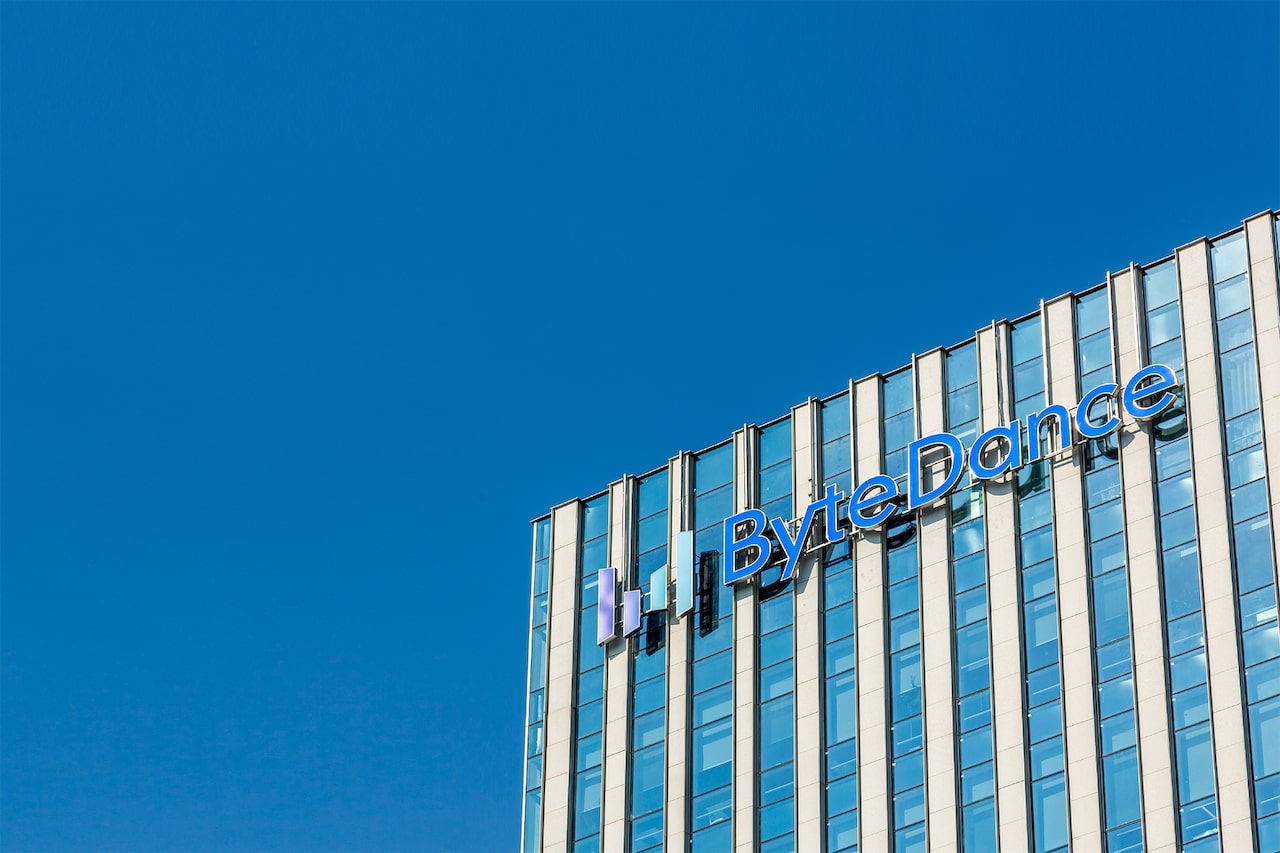
Recently, ByteDance, the owner of TikTok, encountered a significant internal challenge involving an intern accused of undermining an artificial intelligence (AI) project. The company terminated the intern in August, citing "malicious interference" in the AI model training process of a research project. The incident, which sparked widespread discussion on Chinese social media, underscores the critical need for robust security protocols, especially in the delicate phase of AI model development.
ByteDance, renowned for its flagship apps TikTok and Douyin, has been rapidly expanding into the generative AI space. The company launched the Doubao chatbot earlier this year, surpassing Baidu's Ernie in the quest to develop a Chinese counterpart to OpenAI’s ChatGPT.
In August, ByteDance dismissed an intern from the commercial technology team for allegedly compromising an AI training project.
The actions of the intern were deemed a "serious disciplinary violation." Nonetheless, ByteDance assured the public that its primary commercial products and extensive language models remained unaffected by the incident.
In response to rumors circulating on Chinese social media, claiming that up to 8,000 graphical processing units (GPUs) used for AI model training were compromised, resulting in losses amounting to tens of millions of dollars, ByteDance promptly refuted these claims. They emphasized that the extent of the disruption was overstated. Following the incident, ByteDance informed the intern’s university and various industry associations about the misconduct.
The situation illuminates wider concerns about intern management within the tech industry. Interns often assume pivotal roles in high-paced environments, but without appropriate oversight and security protocols, they can pose significant risks. Even minor errors in high-pressure settings can have far-reaching consequences. Companies must ensure that interns receive adequate training and supervision to avert both accidental and intentional disruptions.
According to reports from local media outlet Jiemian, the dismissed intern, a doctoral student, allegedly grew frustrated with resource allocation and retaliated by exploiting a vulnerability in the AI development platform Hugging Face. Although the attack caused interruptions in model training, ByteDance confirmed that its commercial AI chatbot, Doubao, was not impacted.
Events like this highlight serious risks to AI commercialization, as model accuracy and reliability are imperative for business viability. Disruptions in AI model training can cause delays in product launches, erode client trust, and lead to financial losses. For a company like ByteDance, where AI is central to its core operations, such incidents can be particularly detrimental.
The incident accentuates the necessity for ethical AI development and responsible business practices.
Companies must not only innovate with cutting-edge AI technology but also enforce stringent security measures and maintain transparency to uphold trust. In an era where AI plays an increasingly crucial role in business functions, ensuring accountability remains paramount.
The security breach occurred amid ongoing global scrutiny of tech companies regarding the safety of generative AI models and the broader impacts of social media. ByteDance, in particular, faces intense examination in the United States, where it challenges a potential federal ban. The US government has imposed a deadline of January 19 for ByteDance to divest its stake in TikTok to an approved buyer or face closure, citing national security concerns—allegations that ByteDance vehemently contests.
China’s AI market, projected to be worth $250 billion in 2023, is expanding rapidly, with companies such as Baidu AI Cloud, SenseRobot, and Zhipu AI at the forefront.
However, incidents like this emphasize the security challenges that can hamper the commercialization of AI technologies.
ByteDance's experience serves as a crucial reminder for tech companies to reassess and bolster their security infrastructure. As AI integration in business processes becomes more prevalent, safeguarding the security and dependability of AI models is essential. This incident highlights the need for more rigorous intern management practices and robust security protocols to avert similar disruptions in the future. Tech companies must prioritize ethical AI development, transparent procedures, and strong oversight to protect both technological advancements and business operations.
In summary, the ByteDance incident underscores the complex interplay between innovation, security, and ethics in the rapidly evolving tech landscape. Companies must remain vigilant and proactive in addressing these challenges to harness the full potential of AI while safeguarding their operations.