Last Updated: 16 December 2025


Latent Labs has released Latent-X2, a frontier AI model that generates drug-like biologics from the first attempt, eliminating the need for iterative wet lab testing. The platform targets difficult disease proteins and promises to accelerate development timelines while reducing costs.
The company also announced that Stefan Oschmann, former CEO of Merck KGaA, has joined its strategic advisory board. Latent Labs is now opening access to the model for selected partners.
Current wet lab approaches carry significant costs beyond initial development effort. Molecular hits rarely possess the properties needed for clinical success from the start. Optimization efforts to fix these issues often fail or create trade-offs where improving one characteristic worsens another.
These suboptimal starting points increase the risk of expensive failures during clinical trials. Fixing molecular shortcomings extends development timelines considerably, delaying potential treatments from reaching patients.
The Latent Labs Platform allows partners and customers to generate antibodies and peptides targeting diseases of their choice. It produces high-affinity binders across VHH, scFv, and macrocyclic peptide formats, approaching drug-like quality from the first generation.
Scientists can access the platform through a web browser or integrate their own systems using the Latent Labs API. The interface is designed to be accessible without requiring specialized computational expertise.
Latent-X2 generates antibodies that bind challenging targets from the first generation. In testing against 18 targets selected for diversity and difficulty, the model achieved hits against half of them, with picomolar to nanomolar affinities. Each target required only 4 to 24 designs.
The model's capabilities extend beyond antibodies. Macrocyclic peptides designed by Latent-X2 bind K-Ras, a protein long considered undruggable. These designs matched or exceeded hits from trillion-scale mRNA display screens while testing 11 orders of magnitude fewer sequences.
Antibodies designed by Latent-X2 show developability profiles matching or exceeding approved therapeutic controls in direct comparison. This includes proxies for immunogenicity, a critical safety concern in biologics development.
In what the company describes as the first such assessment of any AI-generated antibody, de novo VHH binders were evaluated across a ten-donor human panel. The ex vivo T-cell activation and cytokine release assays confirmed both strong target engagement and low immunogenicity. While animal studies and clinical trials remain ahead, these results suggest AI-generated molecules can now clear preclinical hurdles that previously required lengthy optimization.
"Semiconductors, satellites and aircraft once required repeated build-test cycles, consuming years and billions of dollars. Today they're designed computationally before anything is fabricated. With Latent-X2, drug discovery can move towards that same step change - designing the right molecule from the start."
Simon Kohl, CEO and founder of Latent Labs
Stefan Oschmann, who served as CEO of Merck KGaA until 2021, has joined Latent Labs' strategic advisory board. His experience leading one of Europe's largest pharmaceutical companies adds significant industry expertise to the company's leadership.
"The pharmaceutical industry has spent decades optimizing around the limitations of iterative lab work. Latent Labs is doing something different - building the capability to design molecules that work from first principles. That shift, if it holds, changes the entire logic of drug discovery."
Stefan Oschmann
Latent-X2 builds on the success of Latent-X1, released just five months ago. Latent-X1 has been adopted by industry and academic groups worldwide, who value its performance and no-code interface for real lab applications.
Ten months ago, Latent Labs announced its $50M funding round, co-led by Radical Ventures and Sofinnova Partners. Notable participants included Anthropic's CEO Dario Amodei, Eleven Labs' CEO Mati Staniszewski, and Google's Chief Scientist Jeff Dean.
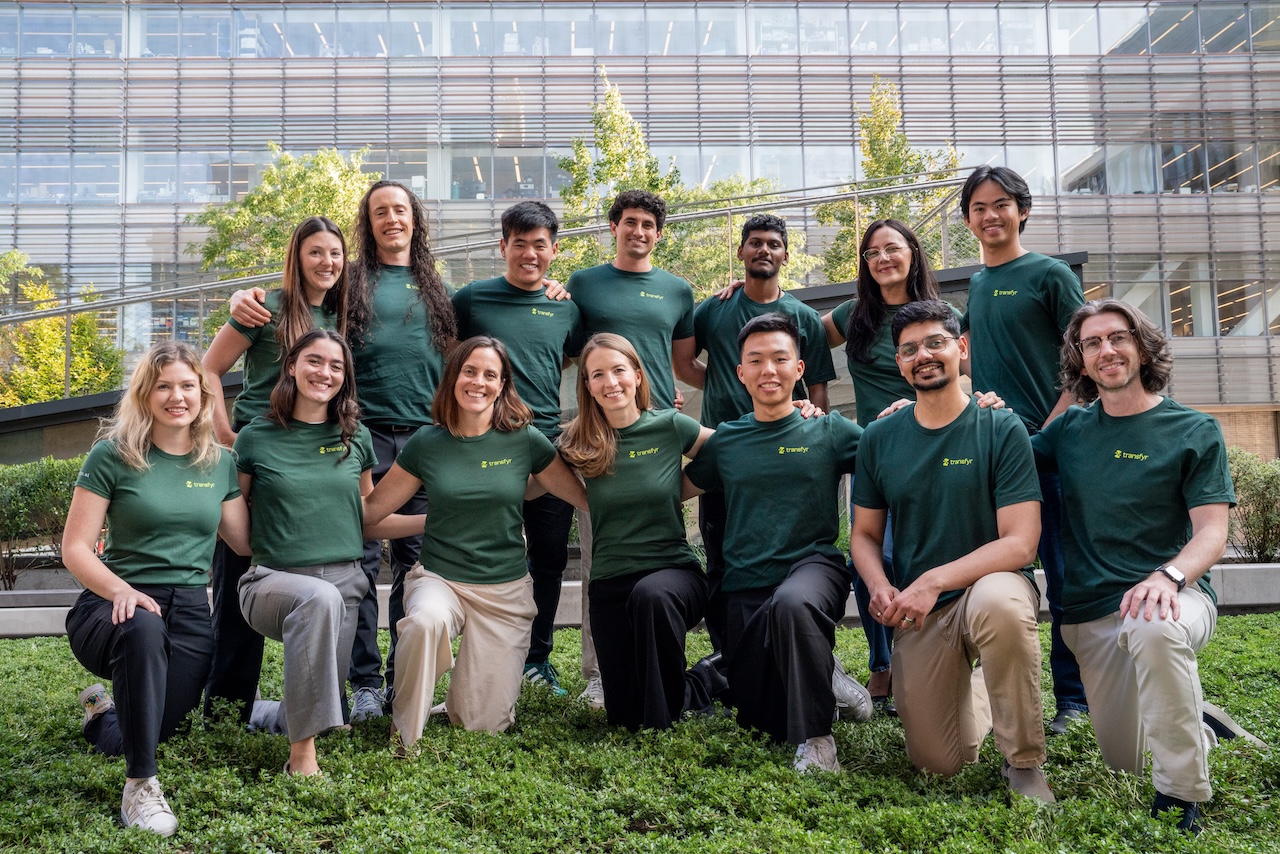
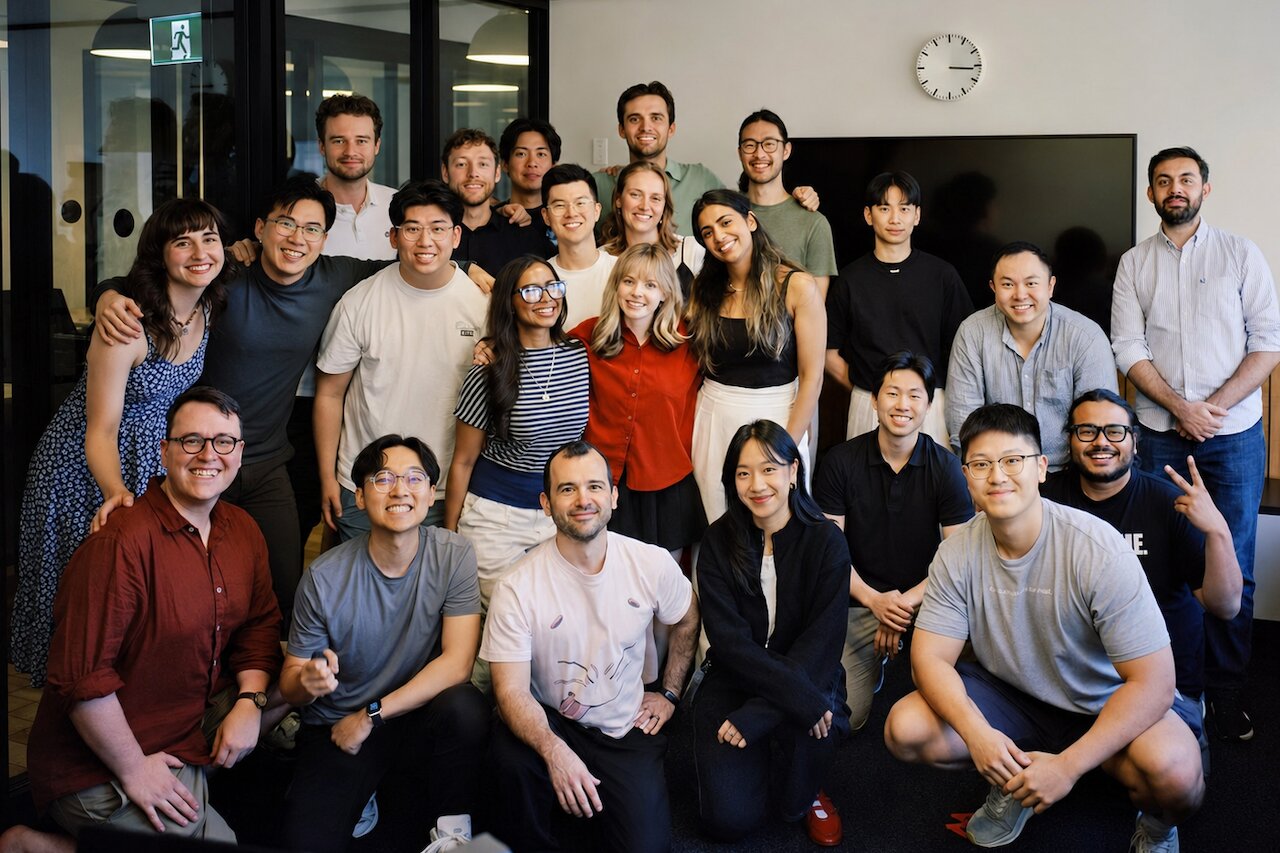
The team includes former AlphaFold 2 co-developers and ex-DeepMind team leads, with experience from Microsoft, Apple, Exscientia, Mammoth Bio, Altos Labs, and Zymergen.