Last Updated: 9 November 2024

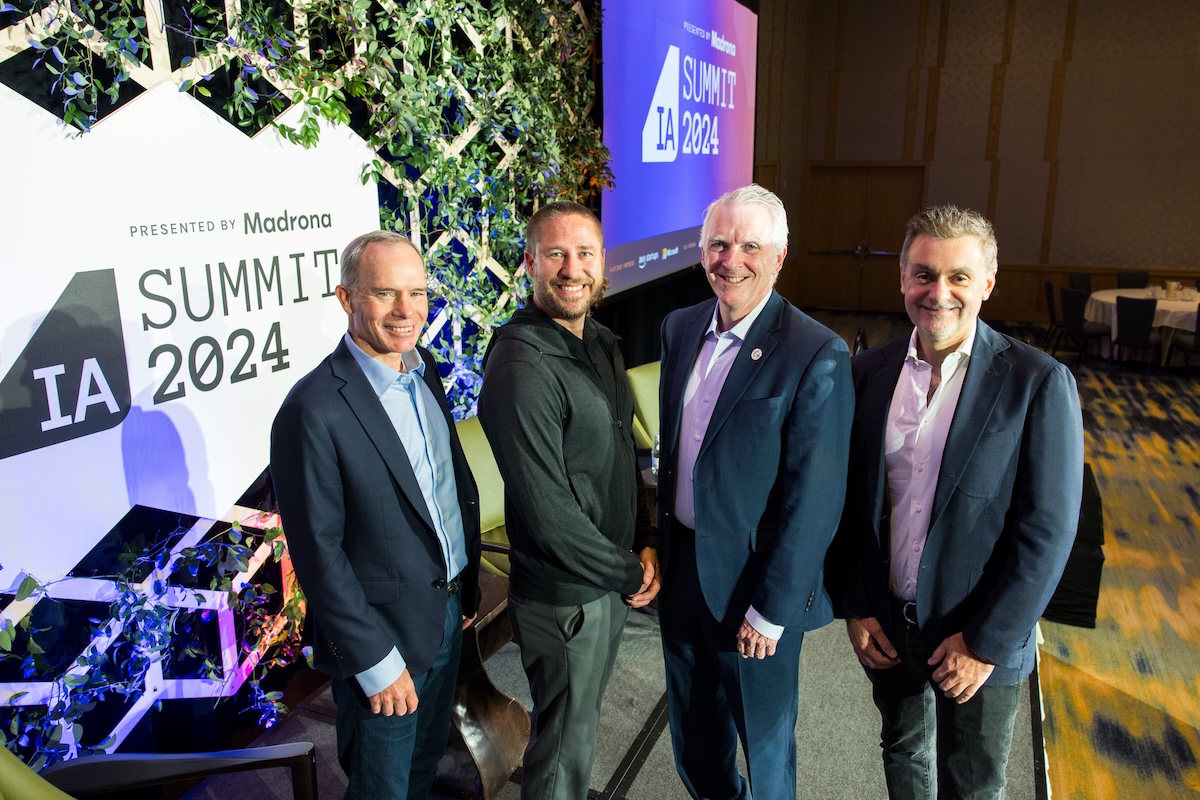
SEATTLE – Oct. 2, 2024 – Four major cancer centers—Dana-Farber, Fred Hutch, Memorial Sloan Kettering, and Sidney Kimmel at Johns Hopkins—are joining forces. Supported by AWS, Deloitte, Microsoft, and NVIDIA, they’ve formed the Cancer AI Alliance (CAIA). The goal is to use AI to analyze the vast data these cancer centers have collected to uncover new ways to research and treat cancer while keeping the information secure.
Fred Hutch Cancer Center led the formation of CAIA, providing initial funding and coordination for the alliance.
"Collectively, the data held by the nation’s leading cancer centers has been an untapped source of new cancer discoveries that has been out of reach. This alliance helps solve the key technical challenges that will enable us to securely use both AI and massive computational power to find these breakthrough insights and save more lives"
Thomas J. Lynch Jr., MD, Fred Hutch president and director and holder of the Raisbeck Endowed Chair
The alliance will set up shared frameworks and guidelines, allowing researchers to collaborate rather than work in isolation. This cooperative effort will also help uncover critical information about rare cancers that might otherwise be overlooked.
Over $40 million in funding is supporting CAIA, with AI expertise provided by AWS, Deloitte, Microsoft, NVIDIA, and Slalom. These companies will help launch coordinated efforts using responsible AI practices.
“AWS is proud to support the Cancer AI Alliance and help deliver on its critical mission of transforming cancer research and care. Together, we will accelerate innovation in cancer discovery and treatments, deploy generative AI at scale, and leverage the power, agility, and security of cloud computing to revolutionize health and patient outcomes”
Matt Garman, CEO of Amazon Web Services
Although AI brings new opportunities, challenges like accessing enough computing resources and adhering to data privacy regulations remain. CAIA aims to help hospitals process large amounts of medical data, such as health records and genome sequencing, without breaching data privacy rules.
CAIA will use federated learning, allowing hospitals to keep their data secure while sharing insights. This way, everyone benefits from the collective results without exposing sensitive information.
While the alliance starts with four core members and key partners, it is open to expanding. A governing panel, composed mainly of representatives from these cancer centers, will oversee the guidelines. They aim for $1 billion in contributions over several years to combat cancer.
CAIA expects to be fully operational by the end of 2024, with the first breakthroughs anticipated by late 2025.