Last Updated: 13 January 2025

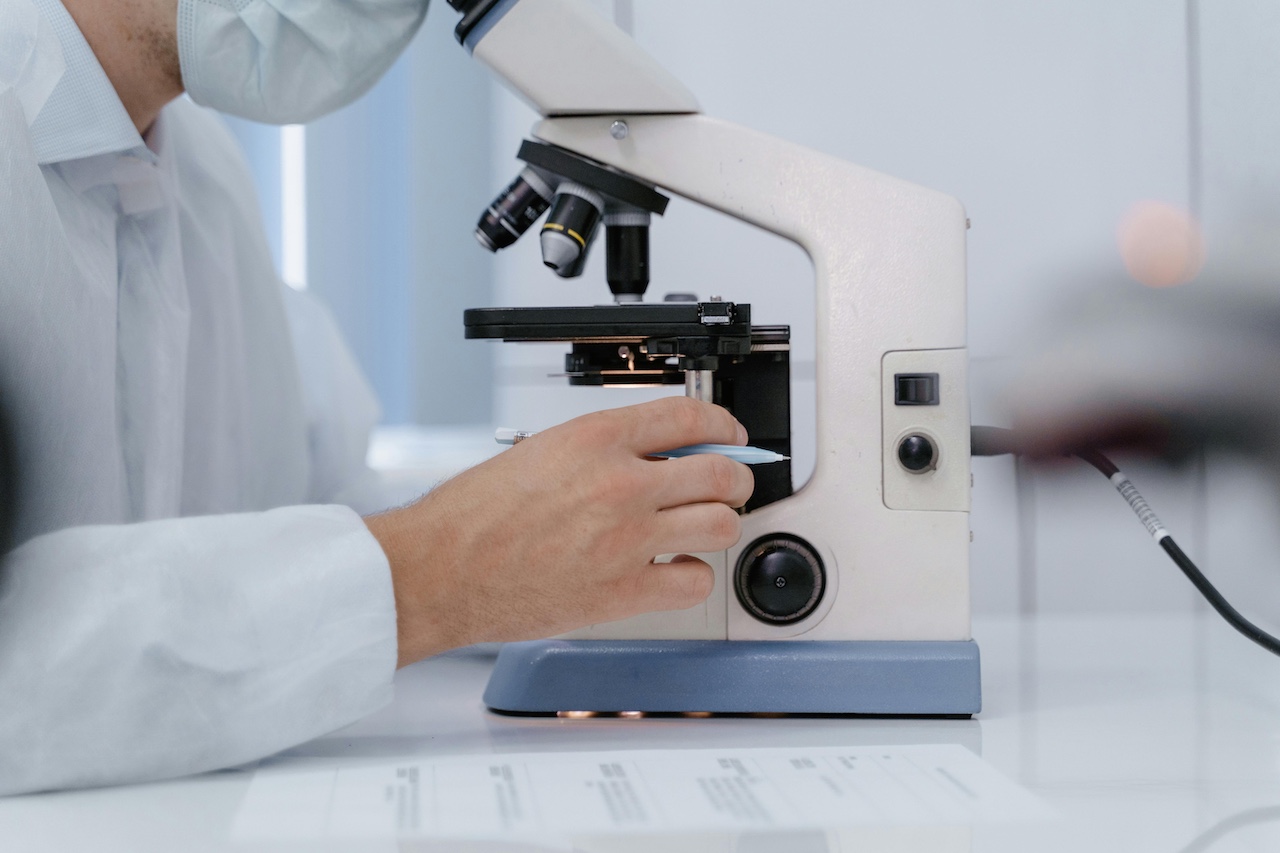
Evariste and the University of Southampton have joined forces to generate one of the largest transcriptomic datasets available for oesophageal adenocarcinoma (OAC). This unique, clinically annotated data aims to uncover novel therapeutic targets for this exceptionally challenging cancer. Leveraging their expertise, the Southampton team will work alongside Evariste, which will apply its cutting-edge AI-driven discovery engine to pinpoint innovative treatment pathways for OAC patients.
“High-quality genetic data linked to clinical outcomes is essential for identifying the next generation of precision oncology therapeutics. This data and our collaboration with the outstanding team at Southampton will help accelerate the delivery of medicines to OAC patients, who currently have very few targeted treatment options.”
Anna Hercot, CEO of Evariste
Oesophageal cancer research has long been hindered by reliance on historical strategies that focused on easily identifiable genetic mutations.
“These approaches have yielded very little in terms of new therapeutic strategies in the context of oesophageal cancer. This collaboration will utilise our extensive transcriptomic dataset to identify new targets for therapy and ultimately novel potential therapeutic strategies for these patients.”
Dr. Zoë Walters, Associate Professor in Translational Epigenomics & member of Evariste’s Scientific Advisory Board
Evariste is a TechBio company that uses mathematics and AI to develop small molecule therapeutics for oncology. Through their proprietary AI-powered platform, Frobenius, Evariste identifies novel targets and biomarkers and designs drug candidates at unparalleled speed. Their mission is to expand the frontiers of cancer treatment by discovering new targets and crafting improved molecules.
The University of Southampton’s School of Cancer Sciences pioneers research to better understand cancer and develop more effective treatments for patients.
By combining Evariste’s advanced AI capabilities with Southampton’s groundbreaking research expertise, this partnership seeks to overcome the hurdles that have stymied progress and pave the way for more effective treatments.
The institution also plays a crucial role in training the next generation of researchers to tackle this disease, advancing the fight against cancer through innovation and education.
“We are really struggling to make meaningful breakthroughs for patients with oesophageal cancer. Data like this might just unlock the next generation of targets for treatment.”
Professor Tim Underwood, Consultant Surgeon and Professor of Gastrointestinal Surgery at the University of Southampton
By breaking down complex issues and focusing on actionable data, this collaboration offers a fresh perspective on how AI and academic excellence can come together to improve patient outcomes. With OAC patients facing limited treatment options, this approach seeks to deliver meaningful change through a combination of technological innovation and clinical expertise.