Last Updated: 19 July 2026

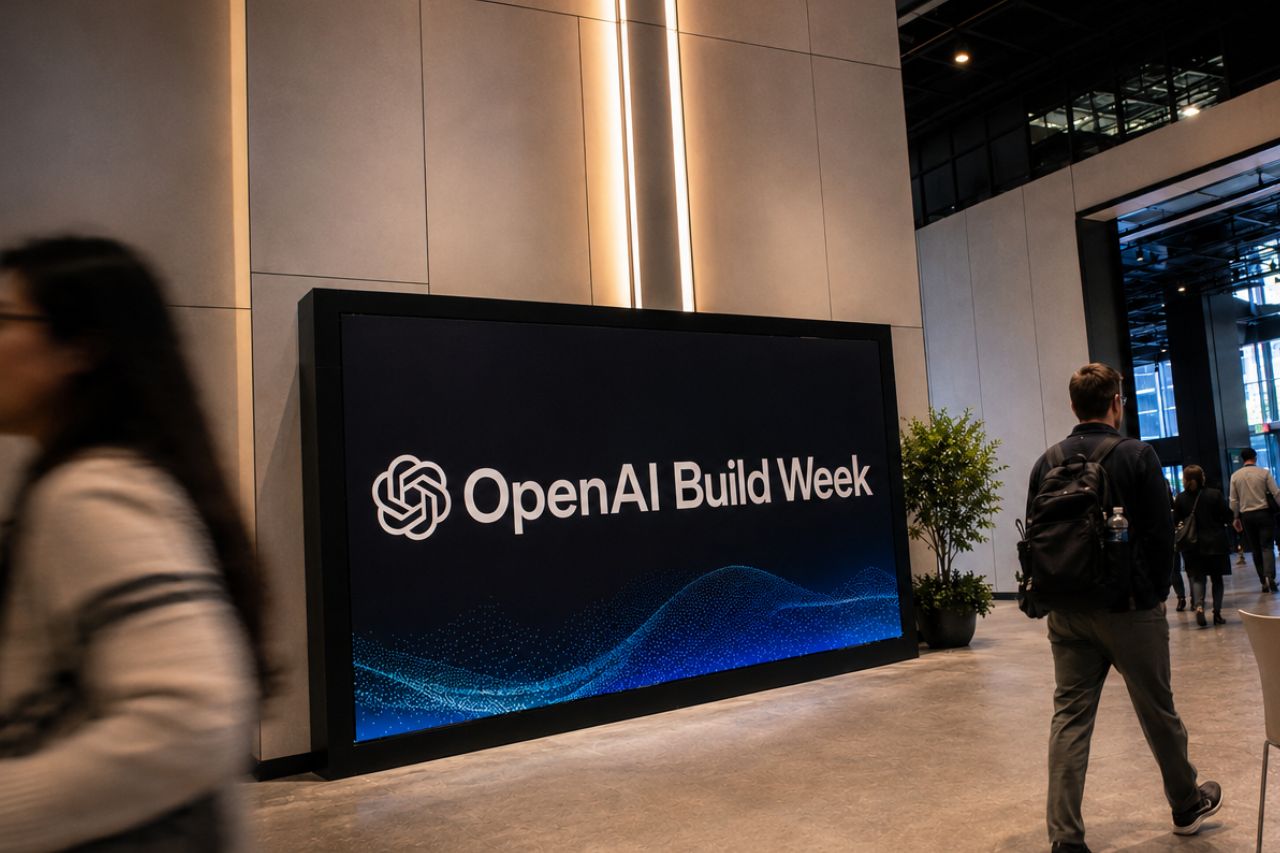
For OpenAI Build Week, developers and other creators have several days to make a working project with Codex and GPT-5.6. The event opened on July 13, 2026, and welcomes both new projects and work already in progress. Founders and students can also enter. Live sessions, Discord support and community events continue during the challenge.
Projects are due on July 21 at 5:00 p.m. PT. This is a major event that got attention from a lot of enthusiast around the world. OpenAI is offering $100,000 in total, divided among eight cash awards in four categories. The size of the sign-up list is clear. How many people will submit a valid project is not.
The number of people joining OpenAI Build Week has passed 40,000 on Devpost. The same platform is being used to collect completed projects before the deadline. Registrations are still coming in, which means the displayed total can change throughout the day. “More than 40,000” is therefore more reliable than using a figure that may soon be outdated.
The event is open to developers, creators, founders and students with different levels of experience. OpenAI does not require previous work with Codex. Someone trying the tool for the first time can register under the same rules as an experienced developer. Live sessions and community support are available to help people understand the tools while their projects are taking form.
Participants have until July 21 at 5:00 p.m. PT to complete their work. Registering is only the first step. Entrants must still produce a working project and provide the materials required for judging. The public total shows how many people joined Build Week, but it cannot show how many complete entries will reach the judges.
The participant counter records people who joined the challenge. OpenAI and Devpost have not published a separate total for finished projects or valid submissions. Some registered users may stop before entering a project. Others may work together as a team. The public figure therefore cannot tell readers how many entries will reach the judges after the deadline.
The relationship between people and projects is also flexible. One entrant can submit several projects when each one is unique and substantially different. Teams and organizations enter through an authorized representative, so several registered people may contribute to a single submission. These rules prevent any direct conversion of the participant count into a project count. Official rules
Every submitted project must also pass an initial review for eligibility and basic viability. The number that will clear this stage remains unknown. Eight cash awards can be compared with the registration total to show the size of the event. A reliable chance of winning would require the final number of eligible submissions, which has not been released.
Most individual entrants need to be the legal age of majority in the place where they live. Parents or guardians can enter for students who are under 18 or below that local age. Previous experience with Codex is not required. That means beginners can join alongside people who already know the tool.
Teams and eligible organizations can also take part. Each group must choose an authorized representative to handle registration and submit the project. An eligible person may belong to more than one team or organization. They can also enter on their own, as long as each project is separate and follows the challenge rules.
There are limits based on location. Entrants must live in a country or territory supported by OpenAI’s API services and meet the competition’s additional requirements. Brazil, Quebec, Russia, Crimea, Cuba, Iran, North Korea and Syria are excluded. Brazil is available on OpenAI’s wider API list, but its residents cannot enter this challenge.
Each of the four categories has one first-place award worth $15,000 and one second-place award worth $10,000. The four first-place prizes add up to $60,000. The second-place prizes contribute another $40,000. Together, they form the full $100,000 cash pool and allow eight projects that satisfy the rules to receive a cash award.
A project can receive only one prize. When a team wins, the payment goes to its authorized representative. That person is responsible for dividing the money among the members. Winners must also handle any taxes, transfer fees or other costs connected with receiving the award. These conditions can affect the amount that eventually reaches each person.
First-place packages include up to two passes for DevDay or a DevDay Exchange event. They also include promotion from OpenAI Developers, a meeting with the Codex team and one year of ChatGPT Pro. Second-place packages include promotion and one year of ChatGPT Pro. Travel costs are excluded, and the page does not identify which Pro tier applies. Prize details
The large registration total may suggest that some people value the experience and access around Build Week as much as the prize money. Public recognition, contact with the Codex team and possible DevDay attendance could add to the appeal.
Apps for Your Life is a actegorie that covers consumer projects related to common daily needs. OpenAI lists areas such as productivity, creativity, home, family, travel, health and personal finance. Work and Productivity is intended for tools used by teams or companies. Its examples include workflow automation, customer support, analytics, sales and back-office work.
Developer Tools covers products made for programmers and technical teams. Testing, DevOps, security and agent-based workflows all fit within this category. Education is reserved for projects aimed at students, teachers or educational organizations. Entrants may submit apps, agents, websites, games, backend tools, plugins or other working formats that match one of these four groups.
Existing projects can enter when participants add meaningful work with Codex or GPT-5.6 after the submission period began. Judges will consider only the work completed during Build Week. Entrants also need permission to use any third-party APIs, data or software included in the project. Open-source components must follow their licences, just as they would in any public project.
The submission needs more than an idea. Participants must provide a working project, select the most suitable category and write a clear description. The project has to perform as the entry says it does and remain available for review. Signing up on Devpost or leaving a project as a draft does not create a complete entry.
The required video must be public on YouTube and last less than three minutes. It should explain the project in spoken words, including how Codex and GPT-5.6 were used. Entrants can speak themselves or use an AI voice. A video that only shows the screen with background music does not provide the explanation judges need.
Entrants also need to share a code repository. Public repositories should have the right licence, while private ones must be shared with the addresses specified by OpenAI and Devpost. The README needs setup instructions, sample data and key project decisions. It should also include the /feedback Codex session ID connected to most of the main work.
Developer tools and plugins need to be easy for judges to review. The submission should explain how to install the project, where it works and how it can be tested. Materials need to be in English or translated into English. The project must remain free during judging. Private data, API keys, passwords and production credentials should not be left exposed.
Judging begins with a pass-or-fail review. This first stage checks whether the project fits the challenge and uses the required tools. It also looks for a basic level of viability, meaning the project should work well enough to support what the entrant claims. Only submissions that clear this review move to the scored stage.
The second stage uses four equally weighted criteria. Technological implementation covers the depth of Codex use and the quality of the working project. Design covers the overall product experience. Potential impact looks at the problem and intended audience. Quality of the idea considers creativity, originality and the difference between the entry and existing concepts.
The rules allow expert panels, peer review, automated AI analysis or a combination of these methods. They do not confirm which approach will be used for every project. Judges are also allowed to rely on the description, images and video without directly testing the entry. Clear submission materials therefore carry real weight during the review. Judging rules
The listed panel includes five people from OpenAI. Thibault Sottiaux leads Product and Platform. Kath Korevec and Tara Seshan are members of Product Staff. Leah Belsky is the company’s VP of Education, while Peter Steinberger is a member of Technical Staff. The rules allow this panel to change before or during judging.
Participants still have a few chances to get help before Build Week ends. Discord office hours are listed for July 20 at 10:00 a.m. PDT. Corey Ching will appear in a livestream an hour later. OpenAI Academy is also running a Codex for Creative Building session on July 21 at 8:30 a.m. PDT.
The Build Week Discord server remains useful for updates, questions and meeting other participants. OpenAI’s community calendar also includes events held online and in person, although some have reached capacity. There is an optional Devpost Hackathons plugin for Codex in ChatGPT. It can be helpful, but its information may not always be complete or current.
Judging begins on July 22. The review period will run until August 7. Earlier rules listed August 5 as the final judging date. Until that difference is clarified, the exact end of judging remains uncertain. Winners are expected around August 12.
Yes. OpenAI does not require previous Codex experience, so first-time users can register and submit a project under the same challenge rules as experienced builders. You still need to use Codex and GPT-5.6 in the project, then explain that use in the required video. Live sessions, Discord conversations and community events can help you get started. A first attempt does not need to be complex, but it must meet the same submission and judging requirements.
Yes, but only the meaningful work added during Build Week will be considered by judges. An existing app, website, tool or game can enter if the participant develops it further with Codex or GPT-5.6 after the competition period begins. The submission should make that new work clear. It also needs to follow the same rules as a new project, including the video, description and code requirements. Earlier work alone is not enough to qualify for judging.
A public repository is not the only option for Build Week participants. Private repositories are allowed, but they need to be shared with the specific OpenAI and Devpost contacts named in the rules. Public code should include a suitable licence. Whichever option you choose, the README needs to explain setup, sample data and important project choices. It is also important to remove sensitive information before giving judges access to the repository or any related test accounts.
Yes, participants may use an AI-generated voice for the Build Week video. The important requirement is spoken narration, not who provides it. The video must be public on YouTube and last less than three minutes. It needs to show what was built and explain the role of Codex and GPT-5.6. A silent demo or a screen recording with only music will not qualify. Clear narration makes it easier for judges to understand the project quickly.
Participants are responsible for costs that go beyond any build credits they received. OpenAI allowed requests for up to $100 in credits, but that request period ended on July 17 and approval depended on availability. The credits did not guarantee that every project cost would be covered. Participants should check their usage before relying on paid tools or services. Projects also need to remain available free of charge during judging, so reviewers can test them without paying.