Last Updated: 14 July 2026

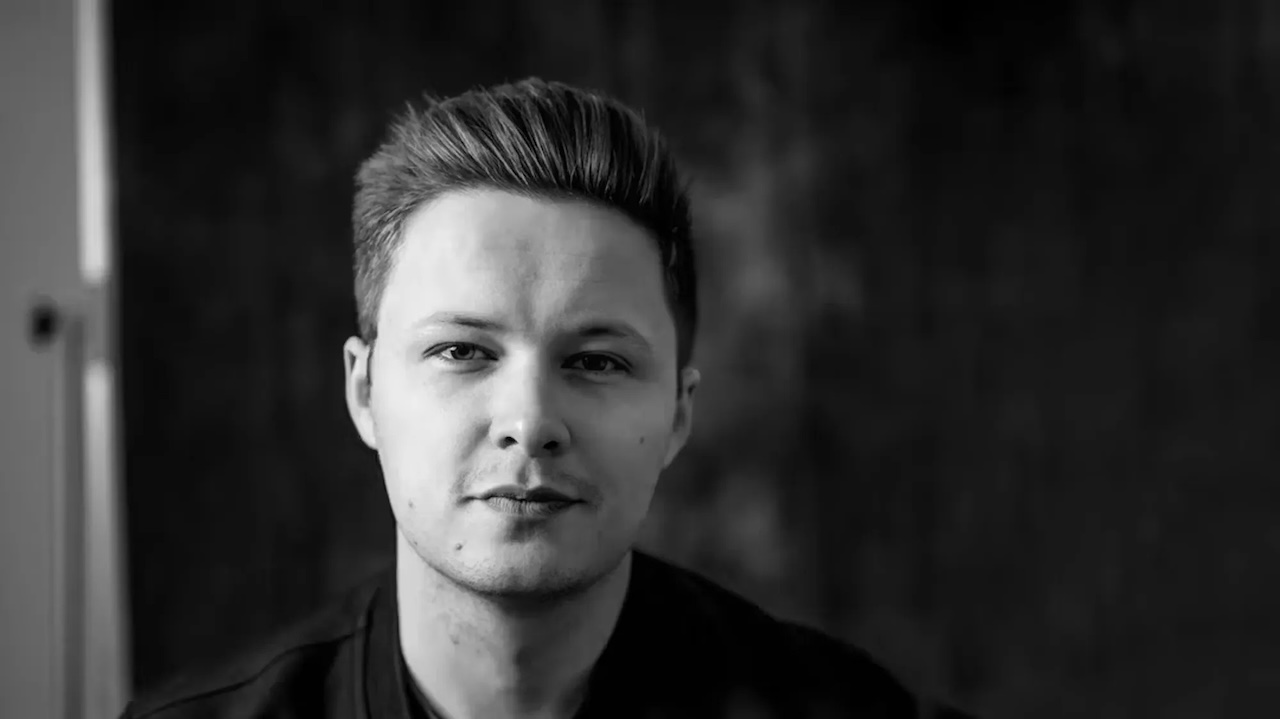
Valarian, a U.K.-based startup building infrastructure that lets organisations keep control of their AI systems and critical operations, has closed a $50 million Series A. Co-founded by Max Buchan and Josh McLaughlin, the company is focused on a growing problem in AI adoption. As AI tools get embedded in national security, finance, and other sensitive environments, the organisations using them often have limited control over the infrastructure those tools depend on.
That concern is backed by hard numbers. According to a CEPR analysis published in June 2026, three U.S. companies supply 65% of the European cloud services market. Gartner forecasts that worldwide sovereign cloud infrastructure spending will reach $80 billion in 2026, up 35.6% from the year before. Governments and enterprises alike are spending more to reduce their reliance on foreign-controlled platforms.
The round was led by New Enterprise Associates (NEA) and brings Valarian's total funding to $70 million. It marks NEA's first defence and dual-use investment in Europe. Lightbank, XTX Markets, Sequel, LitVC, and angel investors Gokul Rajaram and Nikesh Arora also participated.
The idea of "sovereign infrastructure" refers to technology systems that remain under the full control of the organisation or nation operating them. What was once a concern limited to defence agencies and highly regulated institutions has become a much broader priority. European defence spending reached €392 billion in 2025, and governments across the continent are recognising that their critical digital systems often sit on foreign-owned platforms they cannot fully audit.
The pressure is building in the private sector too. Banks, energy companies, and healthcare providers face growing expectations to prove that their AI systems operate within clear governance rules. As those AI tools become more capable and more embedded in daily operations, depending on infrastructure controlled by a third party with its own commercial interests and legal obligations carries real risk.
"The critical question of the AI era isn't which model wins — it's who controls the environment intelligence operates inside. Valarian answers that question with genuine defence-grade architecture. This is NEA's first defence and dual-use investment in Europe, and we made it because Valarian is building the control infrastructure layer the sovereign AI era requires."
Mustafa Neemuchwala, Partner at NEA
The new capital will go toward two product lines. Valarian Enterprise is aimed at organisations deploying AI and other high-consequence workloads that need governance at the individual workload level, along with compartmentalisation and operational control. Valarian Defence targets sovereign nations and defence programmes running workloads where outside access is not an option.
Valarian says it has already deployed hundreds of enclaves (isolated, policy-controlled computing environments) across four continents. The funding will support further expansion and continued development of ACRA, the company's core control architecture.
The round also drew attention from the U.K. government. Kanishka Narayan, UK Minister for AI and Online Safety, pointed to the national security significance of companies like Valarian. Government backing at this level suggests that sovereign AI infrastructure is increasingly viewed as both an economic and a defence concern.
Valarian was founded in 2020 in London. CEO Max Buchan comes from international finance and has focused the company on building privacy and control directly into the infrastructure layer. COO Josh McLaughlin is a retired U.S. Army officer and Ranger who previously led new market expansion at Palantir.
The company's core product, ACRA, is a control architecture built on top of Kubernetes, a widely used system for managing software applications at scale. In simple terms, ACRA wraps every application, AI model, or process in a set of rules. Those rules govern what each workload can access, who can see its data, and how it communicates with other systems. New applications inherit these protections automatically. The organisation holds its own encryption keys. Even Valarian itself cannot access a customer's systems after deployment.
"The intelligence layer of Western institutions is consolidating: quietly, contract by contract, department by department, into systems those institutions do not control. We built Valarian because sovereignty isn't a feature you can add later. It's architecture you have to build from the ground up. This round gives us the capital to take that architecture to the organisations that need it most, at the moment they need it most."
Max Buchan, CEO and Co-Founder of Valarian
Nick Trim serves as Chairman. He co-founded Darktrace and served as its COO before the cybersecurity firm was acquired by Thoma Bravo for $5.3 billion.
The round was led by NEA, a venture capital firm founded in 1977 with more than $35 billion in assets under management. NEA invests across technology and healthcare at all stages, from seed through IPO. Its track record includes more than 285 portfolio company public listings and more than 510 mergers and acquisitions.
Before this round, Valarian had raised $20 million from earlier backers including Scout Ventures, Artis Ventures, IQ Capital, and Molten Ventures, among others. The Series A brought in new investors Lightbank, XTX Markets, Sequel, and LitVC, as well as angel investors Gokul Rajaram and Nikesh Arora, who is the current chairman and CEO of Palo Alto Networks.
The investor mix is notable. A major U.S. venture firm, angel investors with deep ties to cybersecurity and enterprise technology, and visible support from the U.K. government all point to the growing belief that sovereign AI infrastructure will be a significant area of investment in the years ahead.


