Last Updated: 10 June 2026

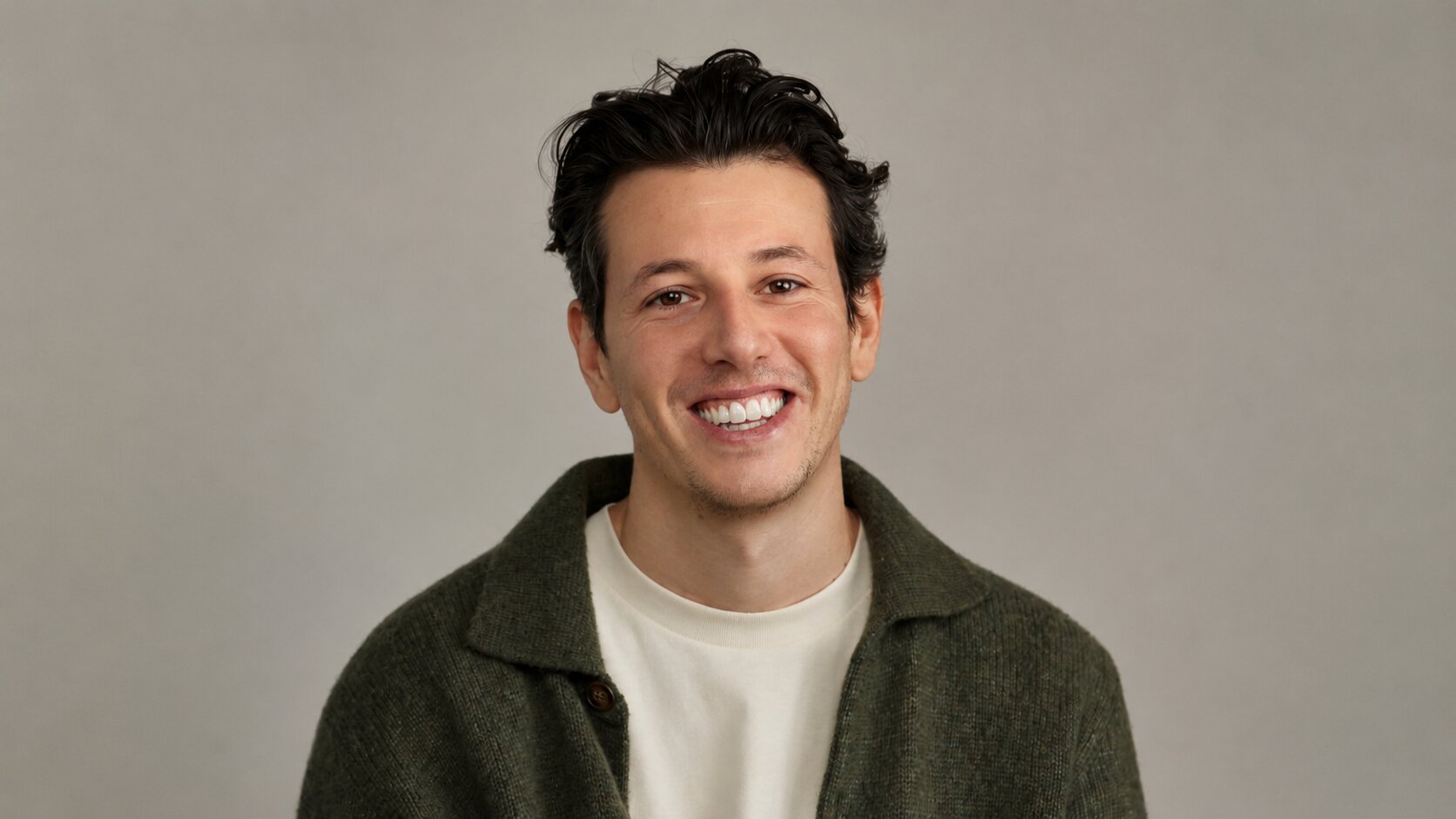
Rylo is an AI-powered communication platform built specifically for people who are Deaf or hard-of-hearing. The company started in 2021 under the name Nagish, founded by Tomer Aharoni, and has spent years building free tools that caption phone calls in real time and convert typed text into spoken audio. Now, with $85 million in new funding, it is preparing to go further.
The need is well-documented. Around 1.5 billion people worldwide live with some degree of hearing loss, according to the World Health Organization. For most of them, the tools available to help with communication have not changed much in decades. Traditional relay services work by placing a human operator between two callers to pass messages back and forth. They are slow, they compromise privacy, and many users simply avoid them.
Rylo has raised $85 million in new funding, bringing its total financing to over $100 million. The round includes new investment from Canaan, growth funding from General Catalyst's Customer Value Fund, and participation from existing investors Vertex Ventures and Contour.
Phone access is only part of the picture. The Deaf community also depends heavily on American Sign Language interpreters for healthcare appointments, legal proceedings, and education. In the United States, there are roughly 10,000 certified ASL interpreters serving approximately 500,000 Deaf or hard-of-hearing people who use ASL — a ratio of about 50 to 1. That imbalance affects millions of people across critical areas of daily life, and it is not something that can be fixed quickly through training programs alone.
The older relay model was the standard solution for decades, and it had real limitations. Every call required a live operator in the middle of the conversation, which added wait times, reduced privacy, and made many routine calls feel cumbersome. AI removes that intermediary. Calls can be captioned instantly, responses can be spoken aloud through text-to-speech, and no third party has access to the conversation.
"For decades, the communication industry treated Deaf and hard-of-hearing people as an afterthought, a compliance checkbox, a clunky relay service nobody actually wanted to use. We started Rylo because that was unacceptable, and because the people living with it deserved better than what every major company was willing to build. This funding means we get to build all of it."
Tomer Aharoni, CEO and Co-Founder of Rylo
The funding will support a significant expansion of Rylo's product offering. Beyond its current phone captioning tools, the company plans to introduce features for workplace accessibility, network infrastructure upgrades, sentiment analysis, speaker identification, and real-time fraud detection. These additions are meant to bring the phone experience for users with hearing loss closer to what hearing users take for granted.
Sign language translation is a separate and significant priority. In 2025, Rylo acquired Sign.mt, a company focused on AI-based sign language translation. That acquisition became the foundation for Rylo Sign, a new platform designed to support translation across dozens of signed and spoken languages. The company says the platform will continue to develop as its research advances.
"Rylo has built a product that clearly resonates with users by leveraging AI to address a critical and historically underserved need in communication accessibility. The company has demonstrated strong momentum, and we're excited to support the team with growth financing as they expand adoption and scale the platform to reach more users."
Andrew Ziperski, Partner at General Catalyst, Customer Value Fund
Rylo's origins are straightforward. The company began as a school project in 2019 under the name Nagish, a Hebrew word meaning "accessible." It was rebuilt in 2020 to address communication needs during the COVID-19 pandemic, then rebuilt again as demand grew. It was formally established as a company in 2021. Today it has offices in New York and Tel Aviv.
The core product is the Rylo Phone app. It generates real-time captions of phone calls using AI, and allows users who prefer not to speak to respond by typing, with their text read aloud to the other party. The app supports more than 50 languages and detects language changes automatically during calls. All transcripts are saved on the user's device only. There is no call center and no human operator involved at any point.
The rebrand from Nagish to Rylo signals a broader product vision. The name is a combination of "relay" and "rely." What began as a single captioning app is now described by the company as a communication platform spanning phone calls, in-person conversations, workplace tools, and sign language translation.
The funding round includes growth funding from General Catalyst's Customer Value Fund, alongside new investment led by Canaan, with participation from existing backers Vertex Ventures and Contour. Total financing for the company now exceeds $100 million.
With 48 million Americans living with hearing loss, the domestic market alone represents a large and underserved user base. The new capital gives Rylo room to build out its product suite and reach more of them.


