Last Updated: 9 November 2024

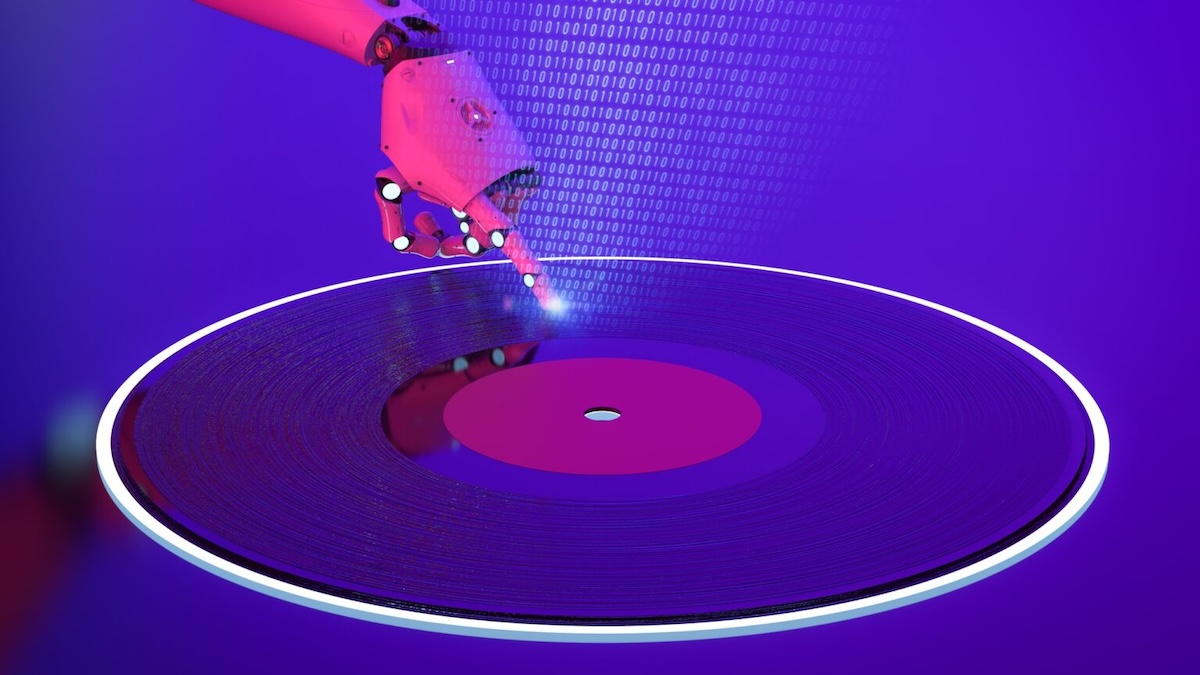
The rise of artificial intelligence is shaking things up in the music scene. A heated debate is brewing over what constitutes originality & whether copyright is being breached. Big record labels like Sony, Universal Music Group, and Warner Music have filed lawsuits against AI music platforms such as Udio and Suno. They argue that these platforms misuse protected material to train their AI systems, leading to unauthorized copies of well-known artists' songs & styles. This ignites a legal battle that could change how we view creativity in music.
Take country musician Tift Merritt's situation as a case in point. Udio's AI produced a track that sounded very much like her famous style, which Merritt labeled as "imitation" & "stealing." She’s not alone; many others like Billie Eilish & Stevie Wonder share her worries. They believe AI-generated music might "sabotage creativity" and push out human artistry altogether. This illustrates a broader anxiety in the music industry about what AI means for creativity & authenticity.
In defense, AI music platforms state that their work qualifies as ‘fair use’—a legal term that permits transformative uses of copyrighted material without direct permission. On the flip side, record labels argue these AI-created songs cross fair use boundaries by mimicking existing compositions too closely. A key question surfaces: Where do we draw the line between inspiration and infringement in an ever-evolving tech landscape?
These lawsuits create new challenges in copyright law, especially for music, since it blends various elements like melody, rhythm, & harmony. Figuring out when an AI-generated song crosses into copyright infringement is much harder compared to written works. This complexity adds another layer to the dispute. While there are transformative aspects to AI-created content, its reliance on existing material raises worries about whether it's genuinely creative or just clever mimicry.
The decisions from these cases will impact not only the AI platforms but also how music is created and how artists' rights get protected moving forward. The music industry now has to find a way to balance embracing new technology while also guarding the creative processes that have made human artistry unique for centuries.
In the end, the clash between the music industry and AI-generated content is just starting out. The outcomes of these legal battles could deeply affect artists, tech companies, & listeners alike. Whether society views AI-generated music as a helpful tool or as something that infringes on original artistry remains to be seen. The choices made in these cases will likely set guidelines for how technology can work together with human creativity. As courts figure out this changing scene, we still don’t know if AI will be a partner in creating music or just an imitator.