Last Updated: 26 November 2025


Onton, the AI-powered search and discovery platform, has closed a $7.5 million seed round to accelerate its mission of simplifying how people shop online. The funding was led by Footwork, with participation from Liquid 2, Parable Ventures, 43, and other investors. This brings Onton's total funding to approximately $10 million.
The capital will fuel product expansion, team growth, and international reach as demand for smarter, more trustworthy search tools continues to rise. Onton's neurosymbolic AI engine already serves more than 2 million monthly users, helping them move from browsing to buying in a fraction of the time it traditionally takes.
The average consumer now spends 79 days making a single purchase decision. That number keeps climbing. People bounce between tabs, sift through over-optimized listings, and struggle to separate genuine reviews from marketing spin. Traditional e-commerce tools were never built to handle the sheer volume and chaos of the modern web.
"We are building the future of decision making online. People deserve a way to shop that feels intelligent, transparent, and effortless. Onton is designed to remove the friction that slows everyone down and to give users absolute confidence in their choices."
Zach Hudson, CEO and Co-Founder of Onton
Onton plans to expand beyond its current focus on home decor and furniture into new categories like apparel and electronics. The company will continue refining its knowledge graph and scaling its data infrastructure. A customizable search engine that adapts to individual preferences is also in development.
Long-term, the goal is ambitious: become a global decision-making tool that works for any product, in any category, in any country. The company is betting that consumers are ready for search that behaves less like a filterable list and more like a knowledgeable assistant.
The idea for Onton came from personal experience. Co-founder Alex once spent 30 hours hunting for a mid-century gray couch with wood trim. He realized he wasn't alone in that frustration. Meanwhile, Zach had been building Rcmmd and studying trust in online reviews for years. The two met at a Y Combinator Startup School event and quickly recognized they were tackling the same problem from different angles.
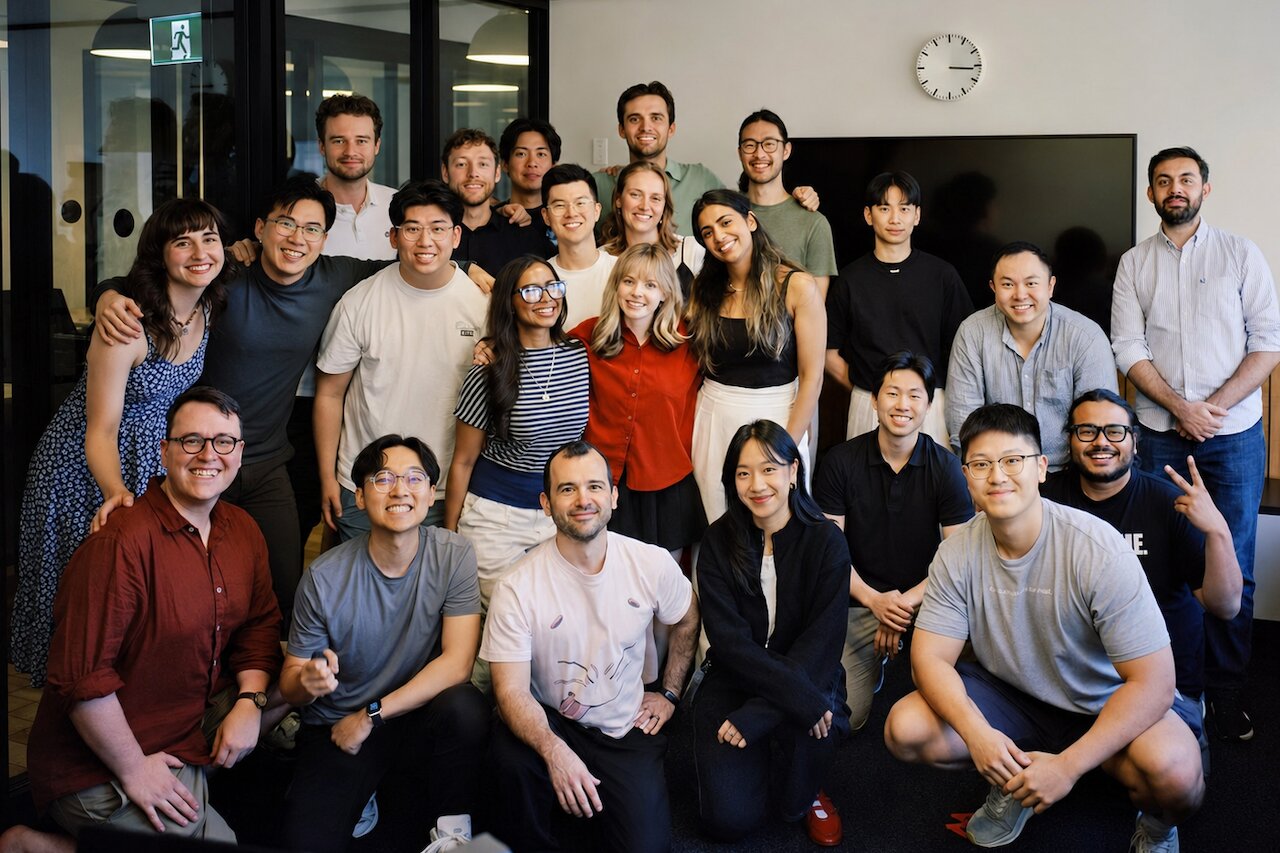
They teamed up, built early versions of the product, won Pioneer, and joined the fifth On Deck Fellowship. At the start of 2025, Onton had just four employees and over 1 million monthly active users. Today, the team has grown to ten and expects to add five more soon.
The platform lets users search using natural language, images, or both. It pulls information from across the web into a single product listing, eliminating the need to compare a dozen sites before making a choice. New tools like Imagine and Surfaces allow users to visualize products they want and instantly see shoppable versions of those ideas.
The results speak for themselves. Onton delivers a conversion rate three times higher than the industry average, and more than 20% of users return weekly. Power users run over 100 searches and generations per month.
Feedback from users has been direct. One said Onton helped him find quality products that matched his interests without wasting hours on research. Another shared that the platform confirmed the items she was considering were actually unique, giving her confidence to stop searching and make a purchase. Others reported that Onton cut months off their decision cycles and helped them furnish or restyle their homes with products they could buy immediately.
The seed round was led by Footwork, a firm focused on early-stage consumer and commerce startups. Other investors include Liquid 2, Parable Ventures, and 43. The round builds on earlier support and positions Onton to scale quickly as AI-first shopping tools gain mainstream adoption.
The timing aligns with broader shifts in how people expect to interact with the internet. Traditional search engines rely on keyword matching and filters that often prioritize advertising over relevance. Meanwhile, consumers are increasingly comfortable with AI interfaces and want tools that understand context, not just keywords.